The Symphony of Taste Unlocking the Art of Wine and Culinary Harmony
Understanding the Balance Between Flavor, Texture, and Emotion in the World of Wine Pairing
The Language of the Glass
Wine pairing is not simply about following a set of rules. It is a sensory dialogue between the drink, the dish, and the diner. When done with care, the pairing becomes an experience that transcends the individual elements. Each sip complements each bite, creating something greater than the sum of its parts. To understand wine pairing is to learn a new language, one where acidity, body, and tannin speak in harmony with texture, fat, and spice. The goal is not perfection, but connection. The right wine can make food sing, while the wrong one can silence it completely.
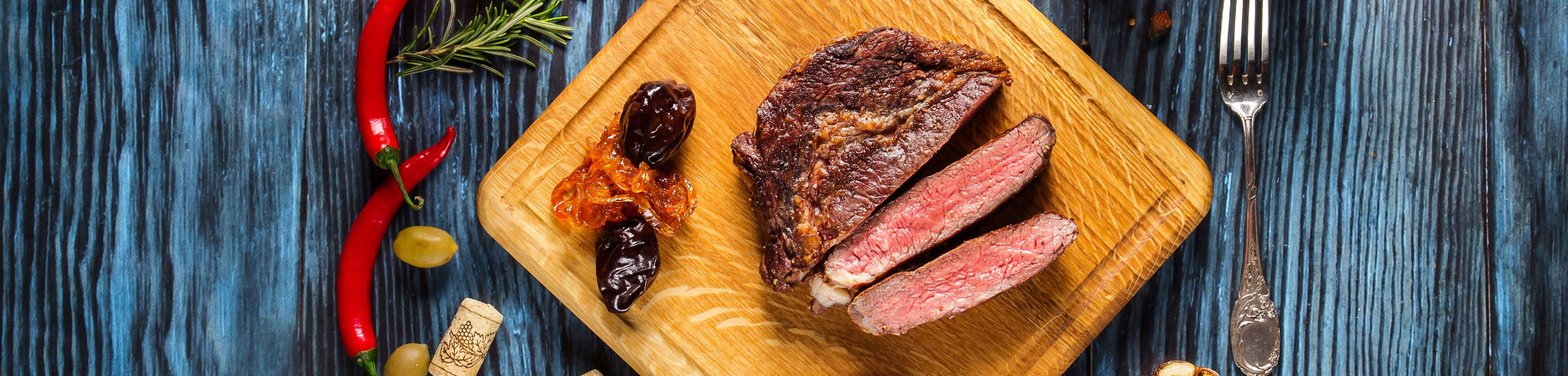
Wine has always mirrored the human experience of pleasure and patience. Every bottle tells a story of land, weather, and craftsmanship. The essence of pairing lies in respecting both the wine and the dish, allowing each to enhance the other without competition. A dry white can lift the richness of seafood, while a deep red can echo the warmth of roasted meat. Balance, contrast, and complement are the pillars of pairing, but intuition and curiosity are its true guides. The art begins with understanding the fundamentals, and from there, it becomes an act of creativity.
The Fundamentals of Flavor
The foundation of any wine pairing rests on flavor balance. Acidity, sweetness, bitterness, saltiness, and umami define both food and wine, and how these interact determines the success of the pairing. Acidity in wine cuts through fat and cream, cleansing the palate with each sip. This is why a crisp Sauvignon Blanc pairs beautifully with goat cheese or shellfish. Sweetness, on the other hand, soothes heat, making an off-dry Riesling the perfect match for spicy Thai curries or Indian dishes. Salt amplifies flavor, so salty foods can soften the harshness of tannins in robust reds like Cabernet Sauvignon or Syrah.
Bitterness is a double-edged sword. When paired poorly, it can make both food and wine taste harsh. Yet, when handled thoughtfully, it adds sophistication. Grilled vegetables or bitter greens like radicchio can find balance in fruit-forward reds that counter the bitterness. Umami, the deep savoriness found in mushrooms, soy, and aged cheeses, interacts uniquely with wine. It often demands wines that are low in tannin but rich in body. Pinot Noir, with its delicate structure and earthy notes, is a classic companion. Understanding these building blocks allows the diner to move from formula to feeling, creating experiences that linger long after the meal is over.
Body and Balance
Wine pairing extends beyond taste into texture and weight. Body describes how heavy or light a wine feels on the palate, influenced by alcohol, sugar, and tannin. A light-bodied wine, like Pinot Grigio, feels crisp and refreshing, while a full-bodied wine, like Malbec, feels rich and velvety. The key principle is to match the intensity of the wine with the weight of the food. A delicate poached fish would be overwhelmed by a heavy red, just as a steak would flatten the subtlety of a light white.
Texture also plays a critical role. The silky tannins of a Merlot complement the marbling of beef, while the effervescence of sparkling wine cuts through fried or creamy dishes. In pairing, balance is not only about flavor but about sensation. A wine with acidity refreshes, while a wine with body comforts. Just as a composer balances instruments in an orchestra, a good pairing balances mouthfeel, ensuring that neither food nor wine dominates the symphony of taste.
Regional Harmony and Tradition
There is wisdom in the old saying, “What grows together goes together.” Across the world, regional cuisines and wines have evolved side by side, shaped by the same soil, climate, and culture. In Italy, Chianti’s rustic acidity complements tomato-based pasta, reflecting the land’s Mediterranean warmth. In France, the buttery Chardonnay of Burgundy finds its soulmate in local escargot and poultry. Spanish Rioja matches perfectly with cured meats and Manchego cheese, echoing the earthy richness of Iberian landscapes. These regional pairings are not coincidence but evolution, honed through generations of farmers, vintners, and cooks who understood the natural harmony between terroir and table.
Exploring these traditions offers both comfort and education. By tasting regional pairings, one learns how climate affects flavor. Cooler regions produce wines with higher acidity and minerality, perfect for seafood and lighter dishes. Warmer climates yield bolder wines suited for roasted meats and aged cheeses. The relationship between region and recipe is a reminder that good pairing is less about complexity and more about coherence. It is about allowing the environment that nurtured the grape to also nurture the meal.
Pairing by Contrast
While similarity often brings comfort, contrast brings excitement. Pairing by contrast creates tension that delights the senses. A sweet wine with salty cheese, for example, plays on opposites to produce balance. The salt enhances the perception of fruit and body in the wine, while the sweetness softens the sharpness of the cheese. This is why port and blue cheese form one of the most celebrated pairings in the world. Similarly, sparkling wine with fried food offers a lively contrast. The bubbles refresh the palate, cutting through oil and richness while leaving behind a clean, crisp sensation.
Spicy foods present one of the greatest opportunities for contrast. Instead of reaching for a bold red, which can amplify heat, lighter wines with a touch of sweetness create a cooling effect. Gewürztraminer and Riesling are ideal companions to Asian cuisine, balancing spice with aromatic sweetness. Even rosé, often underestimated, bridges the gap between red and white, offering freshness without losing substance. Contrasting pairings thrive on curiosity. They challenge assumptions and reward experimentation, reminding us that taste is a personal journey rather than a fixed rule.
Cheese and Wine The Eternal Conversation
No discussion of pairing would be complete without exploring cheese, wine’s oldest and most loyal companion. The relationship between them is both scientific and poetic. Cheese, with its fat and salt, softens tannins and highlights fruitiness in wine. The creaminess of Brie pairs naturally with the buttery texture of Chardonnay, while the nutty sharpness of aged Gouda finds a counterpart in a full-bodied Cabernet. Goat cheese, with its tang and freshness, comes alive when paired with Sauvignon Blanc, as the wine’s acidity mirrors the cheese’s brightness.
For blue cheeses, stronger wines offer balance. Port, with its sweetness and richness, contrasts the sharp saltiness of Stilton or Roquefort. Hard cheeses like Parmigiano-Reggiano or Comté appreciate the structure of bold reds or the minerality of dry whites. Pairing cheese and wine is not only about flavor, but about timing. As cheese matures, it demands more powerful wines to stand alongside its complexity. The pairing evolves, just as people do, deepening with age and experience. Together, cheese and wine create a dialogue between tradition and indulgence, simplicity and sophistication.
The Modern Table Breaking Old Rules
Modern dining challenges the old rules of pairing, embracing creativity and inclusion. Vegetarian and vegan cuisines, once overlooked in the world of wine, now offer vibrant opportunities. Plant-based dishes, rich in herbs, grains, and global spices, demand wines that match their complexity. A citrus-forward Albariño can elevate a vegan risotto, while a light Gamay complements roasted vegetables and mushrooms. The growing popularity of fusion cuisine has also expanded the boundaries of pairing. Sushi with Champagne, curry with rosé, tacos with Tempranillo, the new generation of diners finds harmony through exploration.
Even the notion of red with meat and white with fish is no longer absolute. The richness of certain fish, such as salmon or tuna, welcomes the fruit of Pinot Noir. Meanwhile, aromatic whites like Viognier can handle the spice of poultry and the creaminess of sauces. The key is balance, not obedience to tradition. Modern pairing celebrates individuality, encouraging diners to trust their senses. A successful pairing, after all, is one that brings joy, regardless of convention. Wine, like food, is meant to be shared, savored, and reimagined.
Serving and Savoring
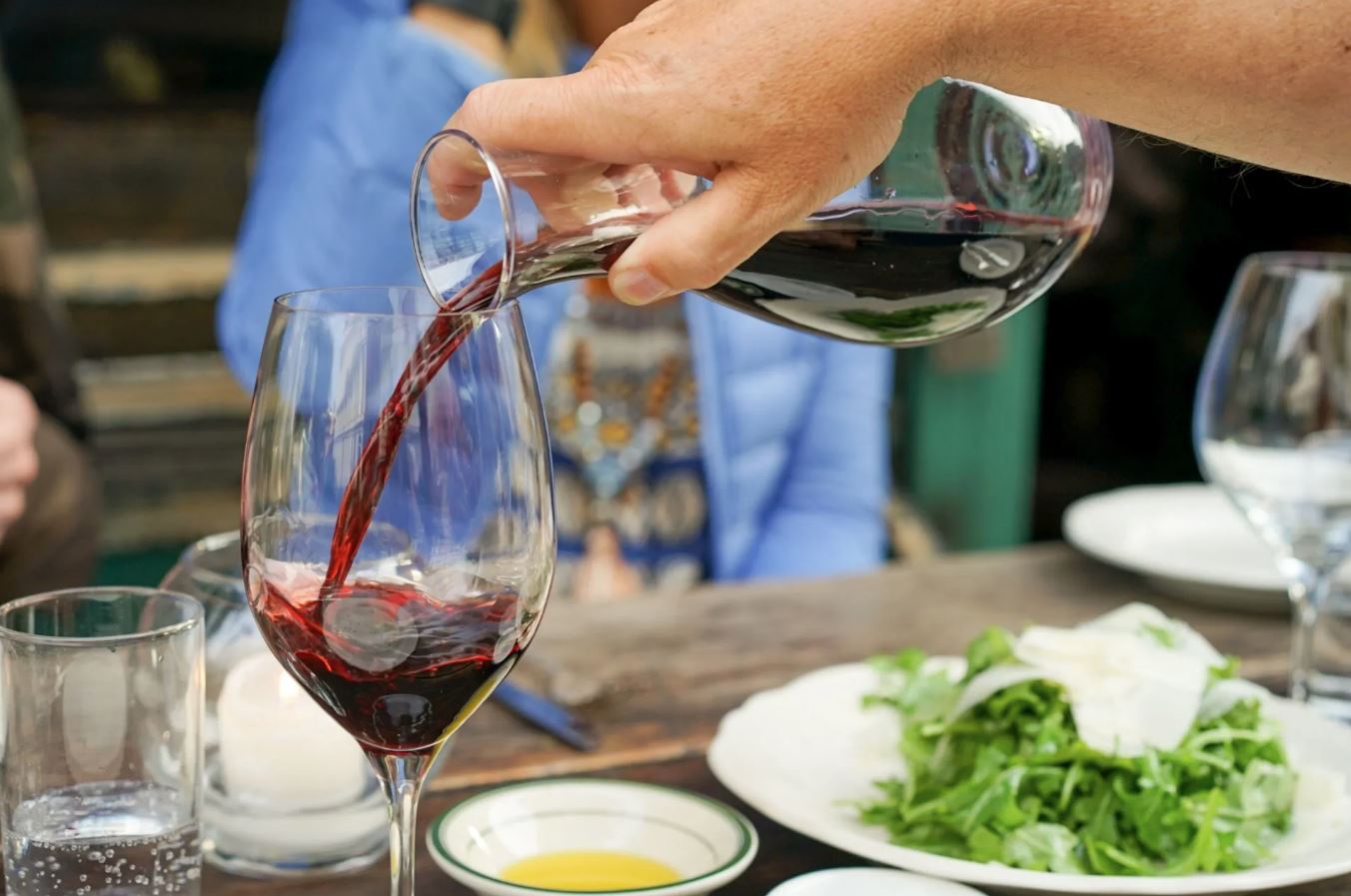
Beyond the choice of wine, how it is served can shape the experience entirely. Temperature, glass shape, and timing all affect perception. Whites should be served chilled, but not cold enough to mute their aroma. Reds benefit from a brief rest after opening, allowing oxygen to unlock their depth. Sparkling wines shine brightest when poured into tall flutes that preserve effervescence, while full-bodied reds prefer wide bowls that allow the bouquet to bloom. Decanting is not limited to expensive wines. Even young wines gain texture and clarity when given air. Presentation is not vanity, but respect for the craft within the bottle.
The act of savoring completes the pairing. Begin with the wine alone, note its aroma and structure. Then taste the dish, noticing its dominant flavors. Finally, bring the two together. Observe how acidity softens richness, how sweetness tempers spice, how the pairing transforms both elements. This awareness transforms dining from routine to ritual. Each sip and bite becomes part of a narrative, one that changes with every glass poured. The experience is personal, yet universal, a moment of connection that bridges culture, craftsmanship, and pleasure.
The Art of Liquid Harmony
Wine pairing is a lifelong conversation between curiosity and taste. It is an art of balance, where the goal is not perfection but discovery. Every bottle opened is an invitation to listen, to learn, and to savor the world in liquid form. The right pairing does more than enhance flavor, it captures emotion. It can remind us of a place, a season, or a memory shared at the table. In this way, wine becomes not just a beverage, but a storyteller. It teaches patience, appreciation, and the beauty of connection. Whether in a grand feast or a quiet evening meal, wine continues to remind us that true harmony is not found in rules, but in the moments we create through taste and togetherness.