
From Sacred Bean to Global Delight The Journey of Chocolate Across Time
Tracing the Cultural, Spiritual, and Culinary Evolution of the World’s Most Beloved Flavor
The Origins of a Sacred Bean
Long before chocolate became a sweet indulgence, it was a sacred beverage reserved for gods and rulers. The story begins deep within the tropical rainforests of Central and South America, where the cacao tree first grew wild. The Olmecs, one of the earliest known civilizations in Mesoamerica, are believed to have cultivated cacao as early as 1500 BCE. Archaeological findings suggest that cacao beans were fermented, ground, and mixed with water to create a bitter, invigorating drink used in rituals and ceremonies. To these ancient people, cacao symbolized vitality and connection to the divine.
The Maya inherited and refined this practice. They revered cacao as a gift from their gods, associating it with fertility, wisdom, and abundance. In their language, the word “kakaw” referred both to the plant and to the beverage made from it. Cacao was often mixed with chili, honey, or maize to create layers of flavor and energy. In Mayan society, cacao was not a luxury but a cornerstone of daily and spiritual life, served during feasts, marriages, and offerings to the deities. The Aztecs later adopted this tradition, elevating cacao to new symbolic heights. For them, it was the food of the gods and the currency of the empire. Cacao beans were so valuable that they were used in trade and tribute, a tangible link between nourishment and power.
The Arrival of Cacao in Europe
When European explorers encountered cacao in the 16th century, they were bewildered. Hernán Cortés and his companions observed the Aztec emperor Montezuma consuming vast quantities of a dark, spiced drink known as “xocolatl.” Unlike the sweet chocolate familiar to modern palates, this beverage was intense, bitter, and thick, prepared with spices like chili and vanilla. Cortés recognized its value, not only as an exotic curiosity but as a symbol of wealth and vigor. He brought cacao back to Spain in 1528, where it began its transformation from sacred ritual to refined luxury.
Europeans were quick to adapt cacao to their own tastes. Sugar, cinnamon, and milk were added to counter its natural bitterness, and the drink soon became a fashionable indulgence among the Spanish aristocracy. By the 17th century, chocolate had spread across Europe, embraced by courts and salons as a beverage of sophistication and pleasure. In France, it became a symbol of romance and sensuality, while in England, chocolate houses rivaled coffeehouses as centers of conversation and commerce. What had once been a sacred ritual in the Americas had evolved into a social ritual in Europe. Chocolate now belonged to the elite, its allure growing with every sip.
The Industrial Revolution and the Democratization of Chocolate
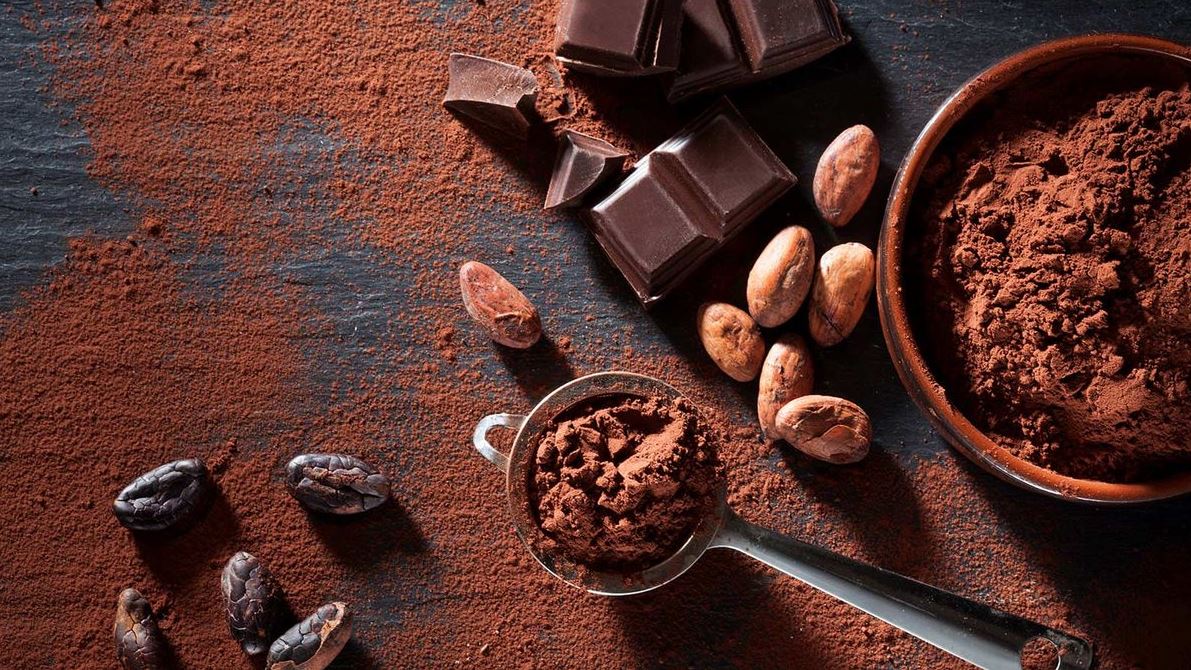
For centuries, chocolate remained a drink, consumed by those who could afford its luxury. That changed in the 19th century with the advent of industrialization. Advances in processing and machinery transformed chocolate from an artisanal craft into a global commodity. In 1828, Dutch chemist Coenraad van Houten invented a hydraulic press that extracted cocoa butter from roasted cacao beans, leaving behind a fine powder known as cocoa. This innovation made chocolate more accessible and easier to mix with sugar and liquids, paving the way for new creations.
Just a few decades later, the world saw the birth of solid chocolate. In 1847, Joseph Fry and his family in England discovered that by combining cocoa butter, cocoa powder, and sugar, they could mold chocolate into bars. Soon after, Swiss innovators refined the formula. Daniel Peter added milk powder to create milk chocolate in 1875, while Rodolphe Lindt perfected the conching process in 1879, giving chocolate its smooth texture. These developments transformed chocolate from a beverage of the elite into an affordable treat for the masses. The industrial age democratized delight, making chocolate not only a luxury but a daily comfort shared by millions.
Chocolate and Global Identity
As chocolate spread across the world, it absorbed new meanings and roles within different cultures. In Europe, it remained a symbol of refinement, appearing in pastries, desserts, and confectionery art. In Latin America, it continued to hold ceremonial and cultural importance, especially in traditional drinks like Mexican champurrado and mole sauces that connect the modern kitchen to ancient roots. In Africa, cacao cultivation became central to economic development, though it also carried complex legacies of colonialism and exploitation that continue to shape conversations about ethical sourcing today.
In the 20th century, chocolate became intertwined with emotion, memory, and marketing. It symbolized love on Valentine’s Day, comfort during hardship, and energy for soldiers in wartime. Iconic brands emerged, turning chocolate into a cultural language understood across borders. Yet beneath the commercial veneer, chocolate retained its ancient duality, it could be both everyday nourishment and sacred indulgence. Its universality lies in this contradiction, bridging luxury and simplicity, tradition and innovation.
The Art and Science of Flavor
Behind every piece of chocolate lies a complex process of transformation. The journey from cacao pod to chocolate bar is a meticulous craft involving fermentation, drying, roasting, and tempering. Each step influences flavor, texture, and aroma. The fermentation process, often carried out near the farms, is the soul of chocolate-making. It develops the precursors of the rich, layered taste that will later emerge. Roasting deepens these flavors, unlocking notes of fruit, spice, and caramel. Grinding and conching refine the texture, ensuring the smooth melt that defines high-quality chocolate.
Science has revealed that chocolate contains over six hundred flavor compounds, rivaling even wine in complexity. This chemical richness explains why chocolate pairs so harmoniously with a variety of ingredients, coffee, chili, sea salt, and citrus among them. Beyond taste, chocolate engages the senses through aroma, texture, and temperature. It melts just below human body heat, allowing it to release flavor at the moment of contact. This sensory choreography makes chocolate not only food but experience, one that transcends geography and time.
Ethical Challenges and Sustainable Futures
Despite its universal appeal, the story of chocolate is not without shadows. The cacao industry faces significant ethical and environmental challenges. The majority of the world’s cacao is grown in West Africa, where small-scale farmers often struggle with poverty and unstable markets. Issues such as child labor, deforestation, and lack of fair trade have prompted global conversations about sustainability. Many companies and organizations now work toward traceable supply chains, ethical certifications, and farmer education programs to ensure cacao production benefits both people and planet.
In recent years, a new movement known as “bean-to-bar” has emerged, championing transparency and craftsmanship. Artisanal chocolatiers source directly from growers, emphasizing quality over quantity. They highlight the diversity of cacao varieties and regions, much like wine producers celebrate terroir. This approach restores respect to the ingredient, reconnecting consumers with the origins of their pleasure. The future of chocolate lies not in mass production alone but in mindful collaboration, where flavor and fairness coexist.
Chocolate as a Medium of Creativity
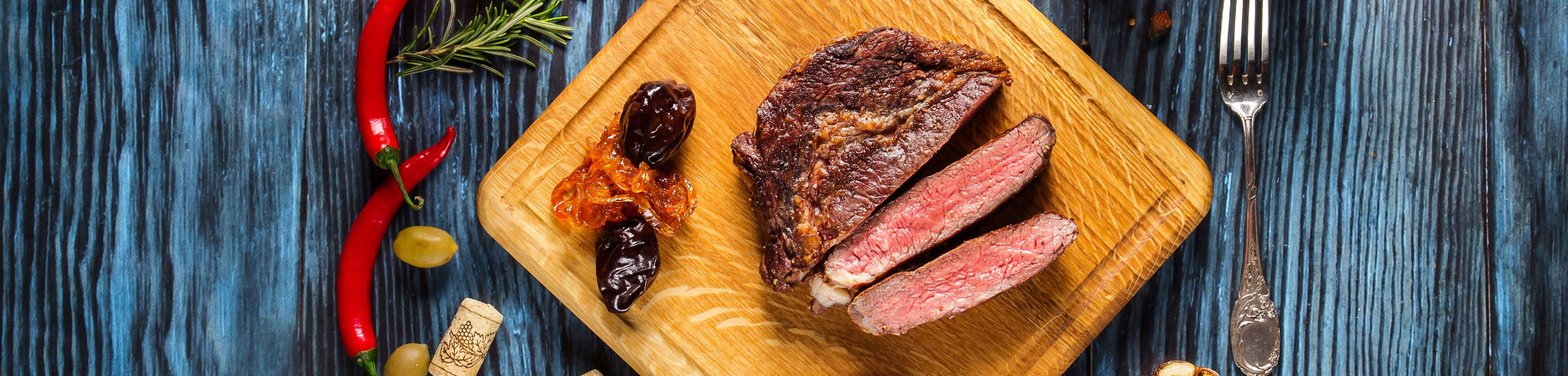
Beyond its economic and ethical dimensions, chocolate continues to inspire creativity. Chefs and chocolatiers treat it as both canvas and muse. Its versatility allows it to shift between forms, bitter and dark, sweet and creamy, spiced, or salted. In pastry, it provides depth and contrast. In savory dishes, it lends unexpected richness, as in mole poblano or cocoa-rubbed meats. Artists use chocolate sculpturally, creating edible masterpieces that challenge perception and technique. Even mixologists experiment with cacao in cocktails, discovering new expressions of flavor harmony.
Chocolate’s adaptability lies in its balance of structure and malleability. It solidifies cleanly, melts smoothly, and combines gracefully with other ingredients. Its emotional associations further enrich its potential. To work with chocolate is to evoke memory, comfort, and joy, making it an ideal medium for storytelling through taste. Whether in a fine dining restaurant or a family kitchen, chocolate bridges skill and sentiment, transforming craftsmanship into art that everyone can share.
The Cultural Symbolism of Chocolate
Throughout history, chocolate has embodied contrasting meanings, sacred and sensual, humble and luxurious. It has been currency, medicine, and art. Ancient civilizations saw it as a link to gods. European nobility turned it into a sign of refinement. Modern culture adopted it as a universal language of affection. In literature and film, chocolate often symbolizes desire, temptation, and comfort. Its presence in rituals, celebrations, and daily life reflects its role as both indulgence and emotional anchor.
In many ways, chocolate mirrors humanity itself. It carries traces of our creativity, ambition, and contradiction. It is at once local and global, ancient and contemporary. It unites cultures through shared pleasure while revealing disparities in production and access. Its symbolism continues to evolve with each generation, yet it always returns to the same essence, connection. Chocolate connects the past to the present, the grower to the eater, and the physical to the emotional. Its story, like its taste, lingers long after the final bite.
The Timeless Allure of Chocolate
The journey of chocolate is a reflection of human civilization, our pursuit of beauty, comfort, and meaning through food. From sacred ceremonies in the jungles of Mesoamerica to the bustling confectioneries of modern cities, chocolate has woven itself into our collective story. Its evolution from bitter elixir to universal indulgence reveals both innovation and continuity, reminding us that flavor is a bridge between culture and time. To savor chocolate is to taste history itself, a living memory of transformation. In every square, sip, or crumb lies a trace of the sacred bean that once bound gods and mortals, a reminder that food is not only sustenance but storytelling, written in sweetness and spirit.