
Beyond Taste The Secret Architecture of Modern Gastronomy
Where Science, Art, and Memory Converge in Every Bite
The Evolution of the Culinary Mind
Gastronomy is far more than the act of cooking or eating. It is the study of how food interacts with culture, science, and the human senses. Its origins stretch back to ancient civilizations that sought to perfect not only flavor but the experience of dining itself. In Greece and Rome, elaborate banquets were orchestrated as both spectacle and philosophy, each course symbolizing harmony and balance. In China, dynastic kitchens became laboratories of refinement, combining herbs, fermentation, and aesthetics to achieve nourishment of both body and spirit.
As societies evolved, so too did the gastronomic imagination. The medieval world emphasized preservation and trade, while the Renaissance transformed the kitchen into a theater of creativity. By the time the Enlightenment arrived, chefs began to consider taste as something measurable, almost scientific. The concept of gastronomy as an intellectual pursuit emerged from this period, where observation and experimentation in the kitchen mirrored the curiosity of the laboratory. Today, gastronomy continues this legacy, merging ancient intuition with molecular precision to craft experiences that defy tradition while honoring its roots.
The Science Within the Flavor
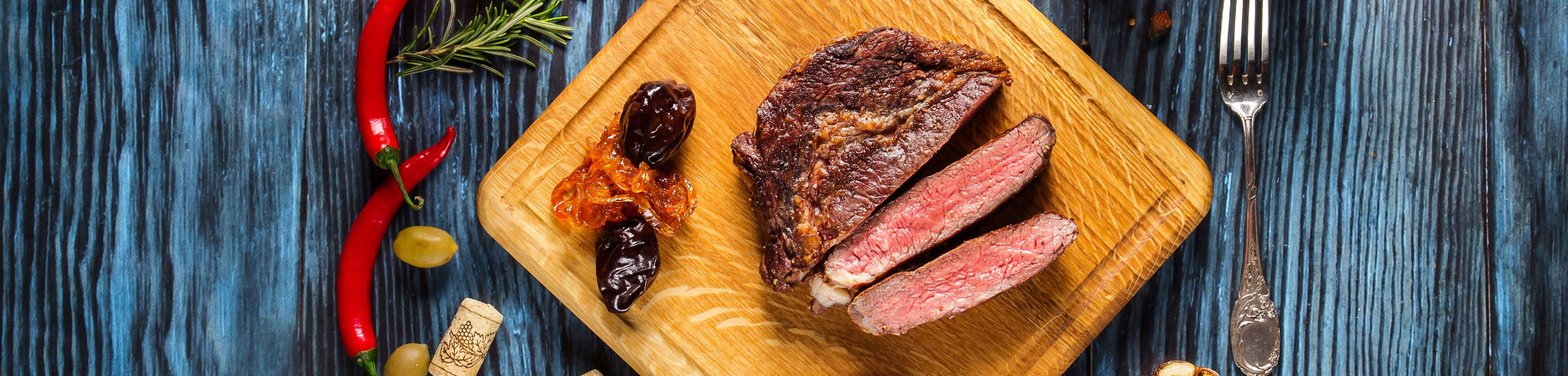
Behind every dish lies an intricate network of chemical reactions that shape its flavor and texture. The sizzle of meat on a pan, the caramelization of sugar, and the tang of fermentation are all controlled manipulations of molecules. Understanding these reactions allows modern chefs to predict and transform taste. The Maillard reaction, for instance, is the invisible alchemy that gives bread its golden crust and steak its irresistible sear. Similarly, the careful balance of acids and fats determines how flavor unfolds on the tongue.
In recent decades, the rise of molecular gastronomy has brought scientific methodology directly into the culinary world. Liquid nitrogen creates dramatic textures, sous-vide ensures precision cooking, and emulsification turns liquids into foams that explode with taste. These methods are not mere novelty, they represent a new vocabulary for culinary expression. Just as painters learned to manipulate light, chefs have learned to manipulate temperature, pH, and molecular structure. The result is an ever-expanding language of flavor, one that speaks to the intellect as much as to the senses.
The Art of Presentation and the Psychology of Perception
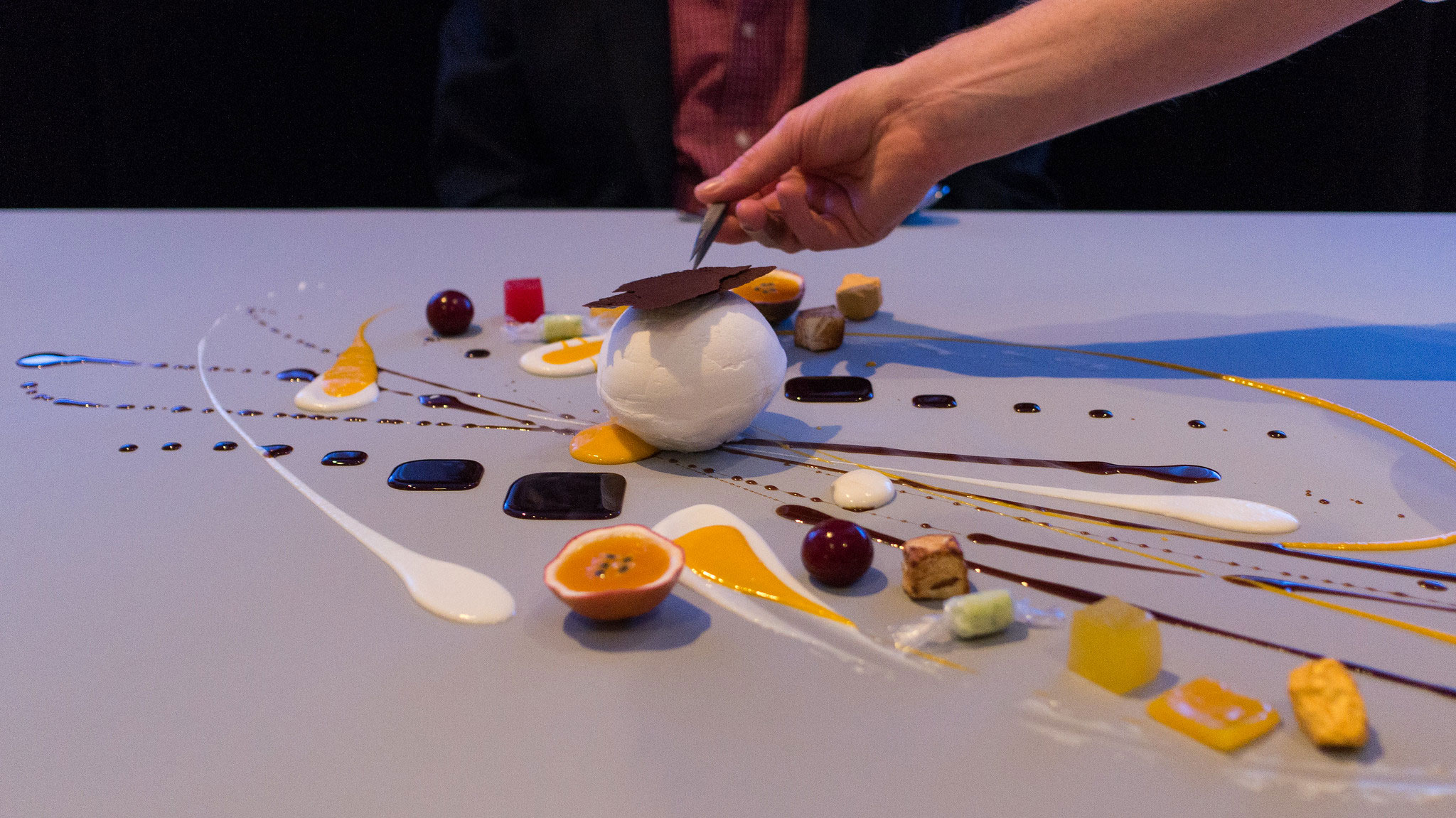
While science governs the structure of food, art defines its emotional resonance. A meal begins not with the tongue but with the eyes, and the way a dish is arranged can alter perception before the first bite. The angle of a garnish, the contrast of colors, and the texture of the plate all shape how the mind interprets flavor. Gastronomy therefore depends as much on aesthetics as on technique. It transforms food into a multisensory experience, where design and composition play as vital a role as seasoning.
Psychology deepens this connection. Studies reveal that color affects perceived sweetness, and the sound of crunching enhances satisfaction. A soft spoonful of custard eaten in silence differs entirely from one consumed in a room filled with laughter. This interplay between mind and sensation is where gastronomy becomes storytelling. Each meal can evoke nostalgia, joy, or even curiosity, depending on how its sensory cues align. To craft food with intention is to compose emotion, using flavor as the language and memory as the canvas.
Cultural Codes Hidden in Every Recipe
Gastronomy is not confined to technique, it is a reflection of identity. Every region on Earth carries a culinary DNA shaped by geography, history, and belief. A bowl of ramen embodies Japanese precision and harmony, while a Moroccan tagine captures centuries of trade between continents. To cook within a culture is to preserve its narrative, to translate climate, soil, and story into something edible. When people share food, they are not merely exchanging sustenance, they are sharing perspective.
Even within modern gastronomy, these cultural codes endure. Chefs reinterpret ancestral flavors with contemporary techniques, creating bridges between past and present. A dish may combine Peruvian maize with French reduction, yet beneath its innovation lies a deep respect for heritage. Globalization has made such fusion possible, but it also poses a challenge. The task of the modern gastronomer is to innovate without erasing, to evolve without severing roots. True creativity, in this context, is not invention for its own sake, but translation that honors the soul of tradition.
The Role of Technology in Redefining the Kitchen
Technology has revolutionized every aspect of modern gastronomy. From digital thermometers to 3D-printed confections, precision tools allow chefs to explore realms once thought impossible. Temperature-controlled ovens ensure consistency, while artificial intelligence can suggest ingredient pairings based on chemical composition. Data, once irrelevant to the cook, now informs flavor decisions, predicting how textures interact or how aromas intensify over time.
Even sourcing and sustainability benefit from this new wave of innovation. Blockchain systems track ingredients from farm to table, ensuring transparency and quality. Hydroponic systems grow herbs in urban environments, while drones monitor vineyard health. Yet technology is not the master of gastronomy, it is its servant. The heart of the kitchen remains human, guided by intuition and sensory experience that no machine can replicate. The challenge for the future lies in harmony, where progress enhances artistry rather than replacing it.
Gastronomy and the Ethics of Eating
The modern gastronomic conversation cannot exist without confronting ethics. The choices behind what we eat, how it is produced, and who benefits from it have become central to culinary philosophy. Sustainability, animal welfare, and fair trade are no longer peripheral issues, they are essential to the definition of excellence. A dish that dazzles the palate but harms the planet no longer holds moral authority in the eyes of the conscious eater.
Ethical gastronomy encourages a dialogue between pleasure and responsibility. It asks not only how food tastes but what it represents. The use of local and seasonal ingredients minimizes environmental strain, while plant-based innovation challenges the dominance of meat in traditional dining. Fine dining establishments increasingly view composting and zero-waste cooking as forms of craftsmanship. The table thus becomes a site of activism, where every choice carries meaning. To cook ethically is to cook for the world, not just for the plate.
The Future of the Culinary Experience
As the boundaries between science, art, and culture blur, gastronomy faces its most exciting evolution yet. Virtual reality dining experiences transport guests into imaginary landscapes while they eat, altering perception of flavor through immersive visuals and sound. Interactive menus allow diners to choose not only ingredients but the emotional tone of their meal. Artificial intelligence can analyze taste preferences to design personalized dishes that adapt to mood and health data in real time.
Despite these futuristic visions, the essence of gastronomy remains timeless. The goal is still connection, the same impulse that guided ancient cooks gathering around open fires. Whether in a Michelin-starred restaurant or a humble home kitchen, gastronomy continues to bind people together through shared curiosity and wonder. The future will not replace tradition, it will reinterpret it, reminding us that every technological advance should deepen, not diminish, our relationship with food.
The Symphony of Taste and Thought
At its core, gastronomy is the harmony between intellect and instinct. It invites us to think about what we eat, to feel what we taste, and to understand the invisible threads that link soil, science, and soul. Every plate tells a story of curiosity and care, of generations who experimented and refined, of cultures that expressed their identity through the act of nourishment. The table is a stage, the kitchen a workshop, and the diner an audience to the poetry of creation. In the endless exploration of flavor, we find a reflection of humanity itself, endlessly inventive, endlessly hungry, and endlessly inspired.