Embers and Essence The Timeless Art of Fire-Cooked Flavor
Rediscovering the Primitive Elegance and Culinary Wisdom of Cooking Over Open Flames
Fire as the Original Kitchen
Before there were stoves, ovens, or modern conveniences, there was fire. The moment early humans learned to control flame, cuisine was born. Fire changed everything. It transformed raw ingredients into nourishment, unlocked new textures, and inspired ritual and community. Cooking over an open flame is not just a technique, it is a return to the origin of flavor and connection. Every spark and ember carries the memory of humanity’s first meal cooked with intention. It is this ancient intimacy that continues to fascinate modern cooks, even in a world dominated by electric precision and digital timers.
Open-fire cooking is not merely a nostalgic act. It represents balance between nature and human creativity. Unlike gas burners or ovens, fire is alive. It flickers, breathes, and changes without warning. To cook with fire is to collaborate rather than control. Each meal becomes an act of adaptation, patience, and sensory awareness. Smoke curls upward, carrying scent as signal, while embers glow like the pulse of the earth itself. The food that emerges, charred, caramelized, and rich with depth, tastes not only of ingredients but of experience. Cooking over fire invites both humility and mastery, reminding us that true craftsmanship often begins with simplicity.
The Science and Soul of Flame
At its core, fire is a conversation between fuel, heat, and air. Understanding these elements allows a cook to shape the experience. Wood and charcoal are not merely sources of energy, they are flavor components. Each type of wood contributes distinct aromatic compounds. Oak provides strong, balanced smoke suitable for meats. Applewood offers sweetness, while mesquite creates intensity. Even subtle variations in humidity or temperature affect how wood burns, influencing how food absorbs its essence. To cook with fire is to learn its moods, to read color and sound, and to adjust instinctively rather than mechanically.
The heat of an open flame differs fundamentally from that of an oven. Fire provides both radiant and convective heat, searing food while infusing it with volatile compounds that build complexity. The Maillard reaction, responsible for browning and aroma, occurs more intensely over direct flame, creating the crisp crusts and smoky undertones that define open-fire cuisine. Yet it is not all about intensity. Beneath the flame lies the ember, glowing and steady, perfect for slow roasting and baking. Mastery of fire comes from knowing when to let the flame roar and when to let it whisper. This duality, wild and controlled, defines the artistry of cooking over open heat.
Choosing the Fire’s Foundation
Not all fires are created equal. The foundation of any open-fire cooking experience begins with the choice of fuel. Hardwoods such as hickory, oak, and maple burn longer and produce a steady heat, making them ideal for grilling or roasting. Softwoods, like pine or spruce, ignite quickly but release resinous smoke that can overpower or even spoil food. Many seasoned cooks combine hardwood with a small amount of fruitwood to introduce a delicate sweetness. The key lies in balance, selecting wood that complements rather than dominates the natural flavor of ingredients.
Charcoal, the refined descendant of wood, offers consistency and control. It burns hotter and longer, creating predictable conditions for searing and smoking. Lump charcoal, made from pure wood, is prized for its purity, while briquettes provide even heat but can contain additives. Some chefs prefer to mix both, using briquettes for stability and lump charcoal for character. Regardless of the source, the goal is always the same, to create a bed of glowing coals that radiate even, breathable heat. Once established, this foundation transforms an open fire from a survival tool into a culinary instrument of finesse.
Primitive Techniques, Modern Mastery
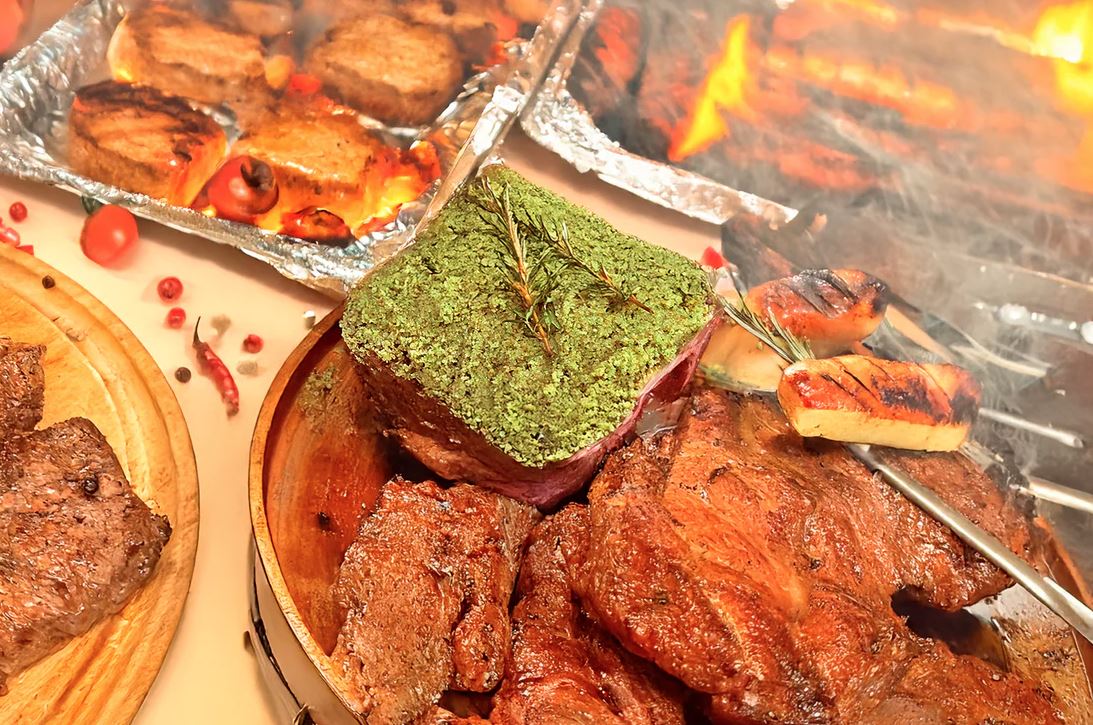
The methods of open-fire cooking have evolved, yet their essence remains unchanged. Grilling is perhaps the most recognizable form, where food meets flame directly, acquiring charred edges and smoky depth. The simplicity of this method belies its sophistication. Perfect grilling requires an understanding of distance, temperature, and timing. Meat too close to the flame burns before it cooks through. Too far, and it dries without color. Skilled cooks use zones of heat, searing over high flame, then finishing over glowing coals, to achieve balance between crust and tenderness.
Beyond grilling lies roasting on spits, a method that predates recorded history. The slow rotation of meat over flame creates self-basting perfection, allowing fat to melt and caramelize evenly. Clay or stone ovens, heated by embers, offer another form of open-fire artistry. Their radiant warmth bakes bread and pizza with a texture unattainable in conventional ovens. Even boiling and steaming can be achieved through clever use of heated stones or suspended pots. These ancient techniques persist because they embody universal truths of cooking, patience, observation, and respect for the elements. Modern kitchens may offer precision, but fire offers soul.
The Flavor of Smoke
Smoke is more than a byproduct of fire, it is an ingredient in its own right. It contains hundreds of compounds that interact with food on a molecular level, enhancing flavor and aroma. When wood burns, it releases phenols, aldehydes, and acids that cling to the surface of meat or vegetables. These compounds contribute complexity, adding sweetness, sharpness, and depth. The challenge lies in restraint. Too much smoke can overwhelm and create bitterness. Too little, and the dish lacks character. The perfect balance results in what chefs describe as “smoke-kissed,” a faint presence that lingers without dominating.
Different woods produce distinct smoke profiles. Cherry and apple lend subtle fruitiness ideal for poultry or vegetables. Hickory and oak yield robust flavors suited for beef or game. Experimentation is part of the joy of open-fire cooking. Blending woods or layering flavors through herbs and spices tossed into the embers allows endless variation. Even damp herbs, such as rosemary or thyme, can release fragrant smoke when placed directly on coals, infusing nearby food. Smoke connects cooking to the environment, transforming air itself into a seasoning. It is both science and poetry, ephemeral yet unforgettable.
Tools of the Open Flame
While the earliest cooks used little more than sticks and stones, modern open-fire cooking benefits from tools that enhance both safety and precision. A sturdy grill grate is essential, preferably cast iron, which retains heat evenly and imparts distinctive grill marks. Long-handled tongs, heat-resistant gloves, and heavy pans allow cooks to maneuver confidently around the flame. Dutch ovens, designed to nestle into coals, excel at slow-cooked stews and breads. Skewers, either metal or soaked wooden ones, make it possible to roast vegetables and meats uniformly.
Improvisation, however, remains central to the craft. A flat stone can serve as a griddle. A split log becomes a natural roasting platform. Even foil packets, filled with fish or root vegetables, can be tucked into embers for gentle roasting. The absence of strict rules invites creativity. Each fire presents new possibilities, shaped by weather, wood, and imagination. The tools are extensions of the cook’s senses, translating the unpredictable nature of fire into deliberate artistry. To cook this way is to return to fundamentals, heat, hand, and intuition in constant dialogue.
Cooking with Intuition and Patience
Unlike the precision of modern appliances, open-fire cooking thrives on instinct. There are no digital displays to measure temperature, no pre-programmed settings to guarantee consistency. Instead, the cook must rely on sight, sound, and scent. The crackle of wood signals readiness. The color of coals indicates intensity. A subtle wisp of smoke can reveal whether fat is rendering properly. These observations become a language that connects cook to flame, a skill honed through repetition and mindfulness.
Patience is equally essential. Fire cannot be rushed. Coals need time to mature, flames need to settle, and food needs space to respond. The reward for waiting is flavor that cannot be duplicated through shortcuts. The process becomes meditative, requiring presence rather than haste. In this rhythm, cooking transcends task and becomes ritual. Each meal tells a story of attention and care, of energy transformed into nourishment. Open-fire cooking, in its most authentic form, teaches not only technique but temperament, a reminder that mastery begins with listening.
From Campsite to Fine Dining
What was once a necessity for survival has become a hallmark of culinary excellence. Around the world, chefs are embracing fire as both medium and muse. Restaurants now feature wood-fired ovens, live-fire grills, and open hearths at the center of their kitchens. These flames are not hidden behind walls but celebrated as spectacle, connecting diners to the primal origins of cooking. The appeal lies in authenticity. Fire strips away pretense, forcing ingredients to reveal their true character. Vegetables roasted directly on embers take on earthy sweetness. Meats seared over flame develop crusts that no pan can replicate.
Even in home kitchens, the spirit of open-fire cooking thrives through backyard grills and fire pits. It invites communal experience, turning meals into shared events rather than isolated tasks. Friends gather, stories unfold, and time slows as flames dance and smoke curls into twilight. This communal magic explains why fire has endured across centuries and cultures. It nourishes both body and spirit, uniting people around warmth, light, and sustenance. In every flicker, the past and present coexist, reminding us that cooking, at its core, is an act of connection.
Preserving Tradition Through Innovation
As technology advances, there is growing interest in blending ancient methods with modern understanding. Temperature sensors, controlled airflow systems, and refined fuels allow greater precision without losing the tactile beauty of open-fire cooking. Chefs now experiment with wood smoke infusions, controlled charring, and multi-layered heat zones that mimic centuries-old practices while elevating consistency. This marriage of tradition and innovation ensures that open-fire cuisine remains relevant in a world driven by efficiency.
Yet the essence of the practice remains unchanged. Whether a campfire beneath the stars or a restaurant hearth of brick and steel, the principle is the same, respect the flame. Fire rewards those who listen and punishes those who rush. It teaches sustainability, patience, and reverence for the ingredients it transforms. The new frontier of open-fire cooking lies not in invention but in rediscovery, a return to fundamentals made richer by modern insight. The fusion of past and future reveals that fire’s power lies not only in heat, but in its ability to remind us of where we began.
The Eternal Flame of Flavor
Cooking over an open fire is not a relic of the past. It is a living dialogue between human ingenuity and nature’s raw power. Every spark carries history, every ember holds potential. The act itself transcends culture and time, uniting all who have ever sought warmth, sustenance, and meaning through food. In an age of automation, fire calls us back to simplicity, to the sensory joy of cooking with sight, scent, and touch. It asks for patience but rewards with authenticity. The taste of smoke, the glow of coals, the quiet satisfaction of a meal born from flame, all remind us that some of life’s greatest flavors are those that connect us to the oldest art of all. Beneath the ash and light lies a truth unchanged by centuries: to cook with fire is to cook with soul.