
Spice Cartography Mapping the Flavors and Stories of India’s Regional Kitchens
Discovering the Cultural, Historical, and Culinary Diversity That Defines the Heart of Indian Cooking
The Many Indias on a Plate
India is not a single cuisine. It is a mosaic of flavors, shaped by geography, history, climate, and culture. To travel through India’s regional kitchens is to journey across centuries of migration, trade, and adaptation. Each region’s food reflects its people’s relationship with the land, their rituals, and their shared memory. The coastal areas thrive on fish and coconut, while the northern plains rely on wheat, dairy, and slow-cooked gravies. The deserts of Rajasthan have mastered preservation through pickles and dried lentils, while the lush hills of the northeast draw from forest and river alike. Every spice, grain, and technique tells a story of belonging and survival.
What binds these countless traditions together is not uniformity, but harmony. Indian cuisine thrives on contrast. Sweet balances spice, sour offsets heat, and bitterness finds purpose in healing. No dish exists in isolation. It is part of a larger rhythm, a meal designed to nourish both body and spirit. In homes across India, food is not just sustenance. It is conversation, community, and culture served on a plate. To understand Indian cuisine is to listen to its languages of taste and texture, where each region speaks in its own dialect of flavor.
The North Plains A Symphony of Richness
Northern India, with its fertile plains and cold winters, has long been the cradle of hearty and indulgent cuisine. The influence of Mughal and Persian traditions gave rise to dishes that emphasize depth, richness, and aroma. Butter, cream, and yogurt form the foundation of gravies, while slow-cooked meats and legumes simmer for hours to achieve balance and tenderness. From the royal kitchens of Lucknow came the art of dum cooking, sealing pots with dough to trap steam and flavor. The result is biryani that perfumes the air with saffron and ghee, or kebabs that melt with the touch of a spoon.
In Punjab, the land of golden wheat fields, food is defined by comfort and generosity. Sarson da saag, made from mustard greens, pairs with makki di roti, a cornmeal flatbread that embodies rustic simplicity. Butter-laden parathas, spicy chickpeas, and tall glasses of lassi define its soul. Delhi, the capital, absorbs influences from across the subcontinent. Its street food captures the pulse of India’s diversity in a single market lane. From tangy golgappas to sizzling kebabs, the northern region reminds us that indulgence can be both everyday and sacred, always seasoned with warmth and hospitality.
The Western Palette Heritage of the Arid and the Coastal
Western India presents a fascinating duality. Gujarat and Rajasthan face the harshness of desert landscapes, while Maharashtra and Goa open themselves to the abundance of the Arabian Sea. In Gujarat, scarcity has bred ingenuity. Meals are predominantly vegetarian, yet layered with complexity. Sweetness often finds its way into savory dishes, softening spice with balance. Dhokla, a steamed lentil cake, and thepla, a spiced flatbread, exemplify the region’s mastery of fermentation and preservation. Pickles, papads, and chutneys add bursts of flavor where freshness may be limited.
Rajasthan, the land of warriors and deserts, developed a cuisine that reflects resilience. Ghee replaces water in cooking, keeping food fresh for days. Dal baati churma, a trio of lentil curry, baked wheat dumplings, and crumbled sweetened wheat, represents both thrift and indulgence. In contrast, Maharashtra embraces a coastal abundance. The fiery kolhapuri masala defines its bold spirit, while coconut and tamarind balance the heat of Malvani curries. Goa, with its Portuguese influence, merges spice and sourness in dishes like vindaloo and sorpotel, pairing chilies with vinegar and local pork. The western region, in all its contrasts, proves that diversity in cooking is as vast as its landscapes.
The Eastern Table Simplicity and Soul
Eastern India finds beauty in restraint. Its cuisine values subtlety and freshness over opulence. The fertile plains of Bengal, Odisha, and Assam thrive on rivers and rice, creating dishes that honor natural flavor. Bengali food, in particular, is an orchestra of sweet, sour, and spicy notes that never overpower one another. Mustard oil forms its backbone, imparting sharpness to fish curries and vegetable stews. Hilsa, the silver fish of Bengal, is celebrated as a delicacy, often steamed or cooked in mustard paste and wrapped in banana leaves. Even humble dishes like shukto, a bitter vegetable stew, carry medicinal and cultural significance, served at the start of a meal to awaken the palate.
Odisha shares a spiritual connection with food through temple offerings known as mahaprasad. The kitchens of the Jagannath Temple in Puri are among the largest in the world, feeding thousands daily with sanctified meals prepared in traditional clay pots. Further northeast, in Assam, the cuisine draws from local herbs, fermented bamboo shoots, and the bounty of the Brahmaputra River. Simmered meats, delicate stews, and rice-based sweets like pitha capture the essence of simplicity. Eastern cuisine is not about extravagance but emotion. It evokes home, warmth, and nostalgia through its calm and comforting flavors.
The Southern Feast of Spice and Grace
Southern India is a study in rhythm. It celebrates balance between fire and fragrance, between tang and texture. Each state within the south offers its own culinary identity, shaped by climate and culture. Tamil Nadu’s food is steeped in tradition, where rice, lentils, and tamarind anchor every meal. The sambar and rasam, two signature soups, illustrate the balance between spice, acidity, and depth. Dosas, crisp rice crepes, and idlis, soft steamed cakes, are the morning symphony of the region, served with coconut chutney that cools and contrasts their spice.
Kerala, aptly named “God’s Own Country,” thrives on coastal abundance. Its dishes are perfumed with curry leaves, coconut milk, and black pepper. Syrian Christian fish curries, Malabar biryanis, and plantain-based stews like avial define its culinary canvas. Karnataka, with its diversity of landscapes, bridges the coastal and the inland, blending coconut with lentils and jaggery. Its bisibele bath, a spiced rice-lentil dish, captures the essence of comfort food. Andhra Pradesh and Telangana, known for their fiery palettes, deliver bold and unforgettable experiences through gongura pickles, tamarind curries, and biryanis that challenge even the most seasoned spice lovers. The south’s food speaks with harmony and humility, a dance of contrasts that never loses grace.
The Northeast A World Untouched
The cuisine of India’s northeastern states remains one of its most unexplored treasures. Here, the food reflects nature’s rhythm, relying on fresh, local produce and minimal processing. In Nagaland, smoked meats and fermented soybeans dominate, offering deep, earthy flavors that contrast with the mild elegance of neighboring Mizoram’s cuisine. In Meghalaya, the Khasi and Garo communities cook with indigenous herbs and bamboo shoots, creating dishes that are at once rustic and refined. Pork, a staple across the region, is prepared in countless ways: roasted, stewed, or smoked over open flames. Fermentation is a cornerstone, giving rise to flavors that are bold, sour, and alive.
Rice remains the heart of every meal, complemented by wild greens, fish, and pickled condiments. The simplicity of northeastern cooking reflects both geography and philosophy. Meals are communal, enjoyed slowly, often around a hearth. The use of oil and spice is minimal, allowing ingredients to speak for themselves. The region’s culinary diversity has only recently begun to gain attention in broader India, but its authenticity and connection to land make it one of the most compelling expressions of sustainable and mindful cooking in the country.
Spices The Unifying Thread
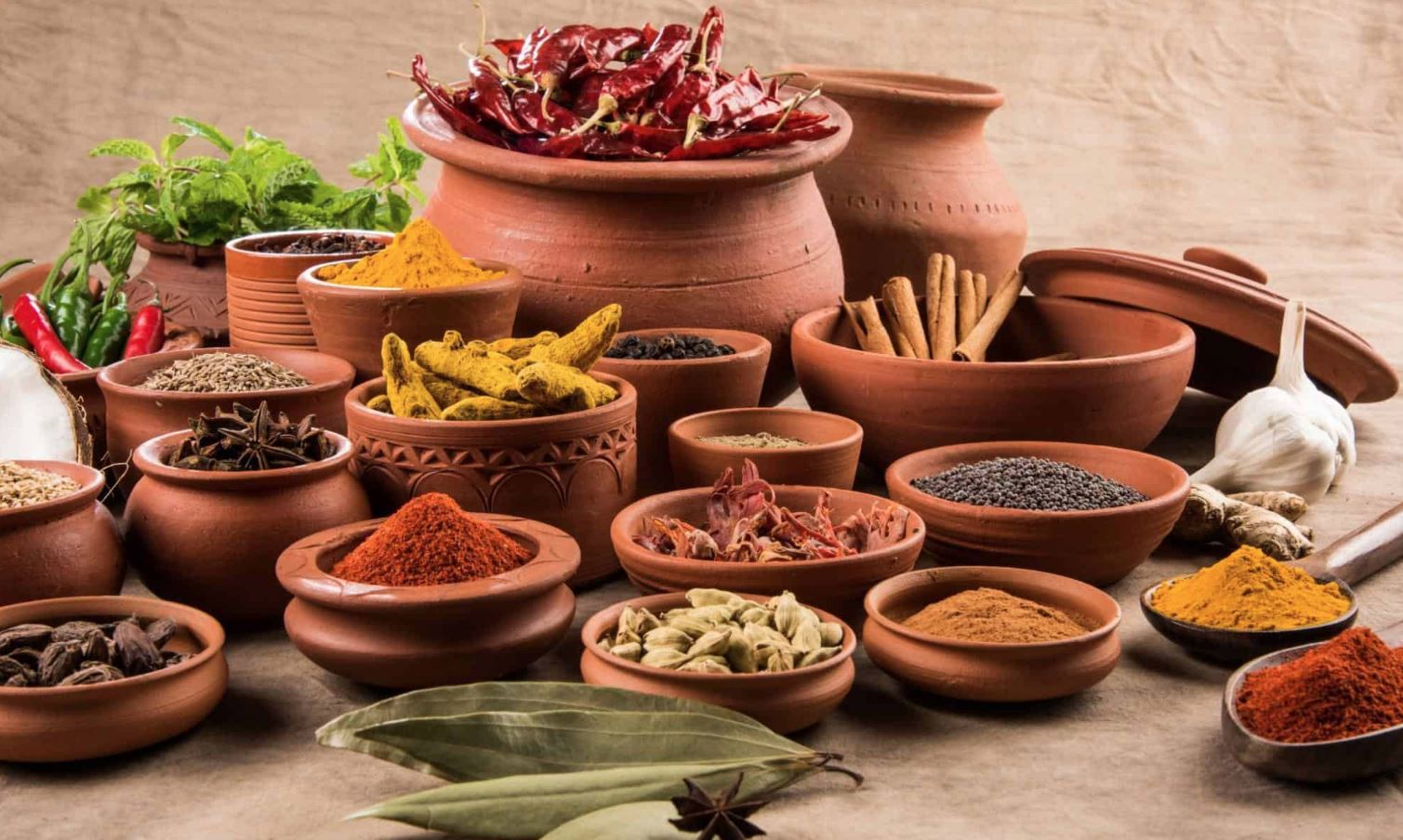
Across India’s vast culinary map, spices act as both identity and bridge. They are the language through which regions converse. Turmeric brings color and healing, cumin adds warmth, and cardamom lends sweetness to both curries and desserts. Yet, how they are used varies dramatically. In the north, garam masala adds richness to gravies, while in the south, tempering mustard seeds and curry leaves in hot oil marks the beginning of most dishes. Spices are never just ingredients; they are philosophy, measured not by recipe but by instinct.
The mastery of spice lies in balance. No single element should dominate. In Kerala’s seafood curries, pepper shines but does not overwhelm. In Kashmir’s rogan josh, saffron and fennel blend to create depth without heaviness. Spices serve as memory and medicine, carrying both flavor and function. Even within the same family, proportions differ, shaped by generations of taste. This flexibility and intuition define Indian cooking. It is both art and inheritance, always adapting yet never losing its soul.
The Contemporary Indian Kitchen
Modern Indian cuisine stands at the crossroads of heritage and innovation. Chefs are reimagining regional recipes for contemporary palates while honoring their roots. Fine dining restaurants across India and abroad are bringing forgotten grains, spices, and techniques to new audiences. Millet-based rotis, fermented rice dishes, and ancient pickling methods are being revived, not as nostalgia but as sustainability. Fusion no longer means erasure of tradition but reinterpretation with respect.
Technology and travel have also opened doors to exchange. A Manipuri black rice pudding may share a table with a Goan coconut tart, and Kashmiri kahwa tea might accompany a Rajasthani dessert. Home cooks, too, are experimenting, using regional flavors to create personal expressions of identity. Indian cuisine’s future lies not in uniformity but in unity through diversity, a reflection of the very land that created it.
The Endless Feast of Identity
To explore regional Indian cuisines is to understand India itself. Every dish carries history, climate, belief, and adaptation within it. Food here is a living archive, one that changes with every generation but never forgets its origins. From the tang of tamarind in the south to the aroma of mustard oil in the east, from the richness of ghee in the north to the simplicity of bamboo shoots in the northeast, India’s kitchens are bound by emotion as much as by flavor. The beauty of this diversity lies in its inclusiveness. There is no single India at the table, but many Indias sharing a common hunger for connection. The story of Indian food is still being written, one region, one recipe, and one meal at a time.